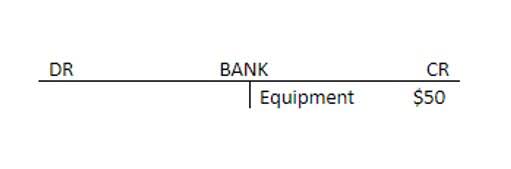
Adjusting entries are prepared at the end of an accounting period to consider income or expenses that have not yet been recorded in the general ledger. As a result, these entries can be for accrued expenses, accrued revenues, prepaid expenses, deferred revenues, and depreciation. This is done by general ledger reconciliation meaning comparing balances that appear on the ledger accounts to those on the original documents, such as bank statements, invoices, credit card statements, purchase receipts, etc.
Analytics and Reporting
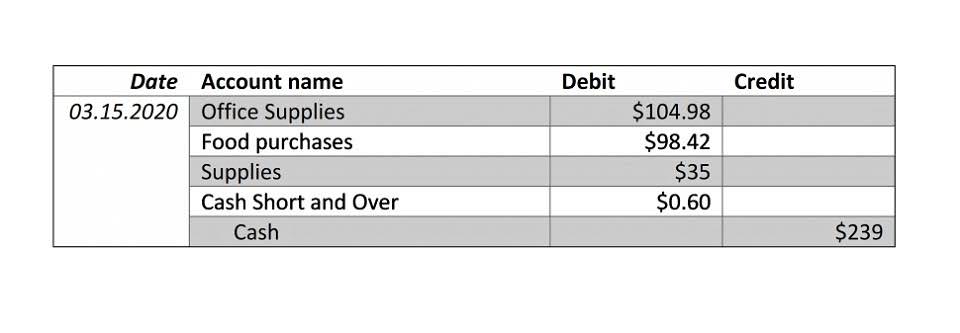
Besides this, you can refer back to the purchase details in case you need to so in the future. You can refer back to the details regarding the sales made and helps you to keep track of payments that have been received or yet to be received from your customers. Here is an example of how you can transfer the journal entries to a general ledger. With Optimus Fintech, this process is streamlined through automation, reducing manual effort and improving efficiency. With both reconciliation types defined, it is important to know that they serve different https://infionlaser.com/bulk-payment-service-batch-payment-solution/ purposes and operate in distinct scopes.
Maintain Clear Documentation
- You should start by analyzing the G/L and sub-ledger balances to identify any differences.
- Advanced visualization tools make investigations transparent and faster to complete.
- When a transaction is missing from your records, it creates a discrepancy that needs investigation.
- If you spot an error on the bank’s side, reach out to them for a correction.
- Items that don’t match or are missing information need special attention, and should be set aside for further review.
Provides confidence that financial statements are complete and reliable. Match transactions from the general ledger with bank and vendor records. With Recogent, businesses cut reconciliation time by up to 80%, reducing a day process to just 2-3 days. Connect with our Growexx team today and discover how Recogent can transform your reconciliation process for the better, forever. Recogent analyzes patterns across multiple data sources, identifies potential errors, and flags discrepancies in a fraction of the time. The good news is – you can avoid these challenges with AI-powered automated account reconciliation.

Manual reconciliation

Finally, AP to GL reconciliation helps establish a seamless accounting connection across the books. This helps an auditing team to cross-check and verify accounts efficiently. Recall that the adjustments to the balance per BOOKS will require accounting entries for the items to be posted to the company’s general ledger accounts. Bank credit memos indicate that the bank increased the balance in a company’s checking account.
Similarly, tasks should be properly delegated across team members to avoid overlapping duties. For teams on Numeric, a full audit trail of preparer, reviewers, comments, and action taken will automatically be stored. Have a second knowledgeable person review all reconciliations to verify procedures were followed properly and make any needed adjustments. This review evidence gets noted on the reconciliation documentation before formal approval.
Mastering this essential practice will keep your business running smoothly. Think of it as a regular check-up for your business’s financial well-being. A liability account in a bank’s general ledger unearned revenue that indicates the amounts owed to bank customers for the balances in the customers’ individual checking, savings, and certificate of deposit accounts.
Leave a Reply